






How much does it cost to Build a Bowling Alley in Sweden | Flying Bowling Expert Guide
- Comprehensive Guide to Building a Bowling Alley in Sweden: Costs, Equipment, and Considerations
- 1. What Are the Estimated Costs to Build a Bowling Alley in Sweden?
- 2. What Are the Key Components of Bowling Alley Construction?
- 3. What Are the Ongoing Operational Costs of Running a Bowling Alley?
- 4. How Can I Ensure the Success of My Bowling Alley?
- 5. Are There Any Regulatory Considerations in Sweden for Building a Bowling Alley?
Comprehensive Guide to Building a Bowling Alley in Sweden: Costs, Equipment, and Considerations
Building a bowling alley in Sweden involves careful planning and significant investment. This guide addresses common questions and provides insights into the costs and equipment considerations for establishing a successful bowling center.
1. What Are the Estimated Costs to Build a Bowling Alley in Sweden?
The cost of constructing a bowling alley varies based on location, size, design, and amenities. While specific data for Sweden is limited, we can draw parallels from international estimates:
-
Land Acquisition: In the U.S., land costs for a commercial facility range from $200,000 to $2 million, depending on the region. ((https://www.openpr.com/news/4010009/how-much-does-it-cost-to-build-a-bowling-alley?utm_source=openai))
-
Construction Costs: Building a new facility can cost between $100 to $200 per square foot, totaling $2 million to $5 million for a 20,000 to 25,000 square foot building.
-
Bowling Equipment: Installing synthetic lanes costs around $50,000 to $150,000 per lane. ((https://www.prlog.org/13076222-how-much-does-it-cost-to-build-bowling-alley.html?utm_source=openai))
Considering these factors, establishing a bowling alley in Sweden could require an investment ranging from approximately 20 million to 50 million SEK, depending on the project's scale and location.
2. What Are the Key Components of Bowling Alley Construction?
Building a bowling alley involves several critical components:
-
Land and Site Preparation: Securing and preparing the land, including grading and utility connections.
-
Building Structure and Design: Constructing the facility and designing the interior to accommodate lanes, seating, and amenities.
-
Bowling Lane Installation: Setting up lanes, pinsetters, ball returns, and scoring systems.
-
Interior Furnishings and Amenities: Adding seating, dining areas, lighting, and additional entertainment options.
-
HVAC and Plumbing Systems: Installing heating, ventilation, air conditioning, and plumbing to ensure comfort and functionality.
3. What Are the Ongoing Operational Costs of Running a Bowling Alley?
Operational expenses include:
-
Staffing: Salaries for management, maintenance, and service personnel.
-
Utilities: Costs for electricity, water, and other essential services.
-
Maintenance: Regular upkeep of equipment and facilities to ensure safety and customer satisfaction.
-
Marketing and Promotion: Expenses related to advertising and attracting customers.
-
Insurance and Licensing: Premiums for liability insurance and fees for necessary permits.
4. How Can I Ensure the Success of My Bowling Alley?
To enhance the likelihood of success:
-
Market Research: Understand the local market demand and competition.
-
Location Selection: Choose a site with high visibility and accessibility.
-
Quality Equipment: Invest in durable and modern bowling equipment to attract customers.
-
Customer Experience: Provide excellent service, a comfortable environment, and additional amenities like food and beverage options.
-
Financial Planning: Develop a detailed business plan with clear financial projections.
5. Are There Any Regulatory Considerations in Sweden for Building a Bowling Alley?
Yes, in Sweden, you must consider:
-
Zoning Laws: Ensure the chosen location is zoned for commercial entertainment use.
-
Building Codes: Adhere to Swedish construction standards for safety and accessibility.
-
Licensing: Obtain necessary permits for operating a public entertainment venue.
-
Environmental Regulations: Comply with local environmental laws regarding waste management and energy use.
Consulting with local authorities and professionals familiar with Swedish regulations is advisable to navigate these requirements effectively.
By addressing these key questions and considerations, you can lay a solid foundation for building and operating a successful bowling alley in Sweden.
Modernization Bowling Alley: Trends, Tips & FAQs | Flying Bowling
Flying Bowling's new business card - Galaxy Park Bowling, digital empowerment, reshaping competition and leisure
How to start a bowling alley business (2025 Guide)
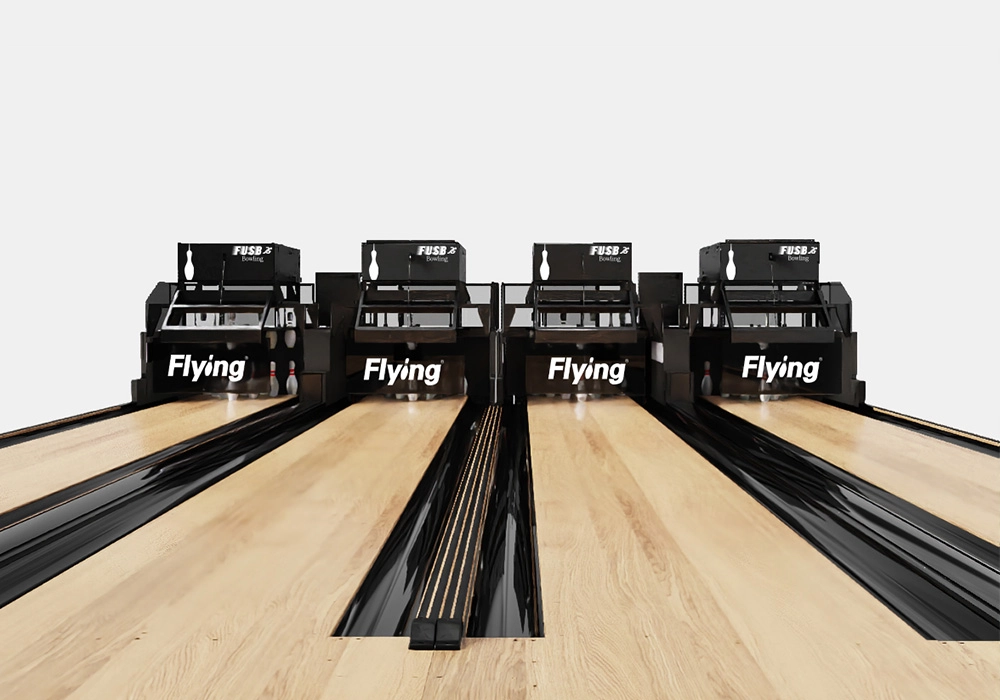
Top 10 bowling alley equipment Manufacturers and Supplier Brands
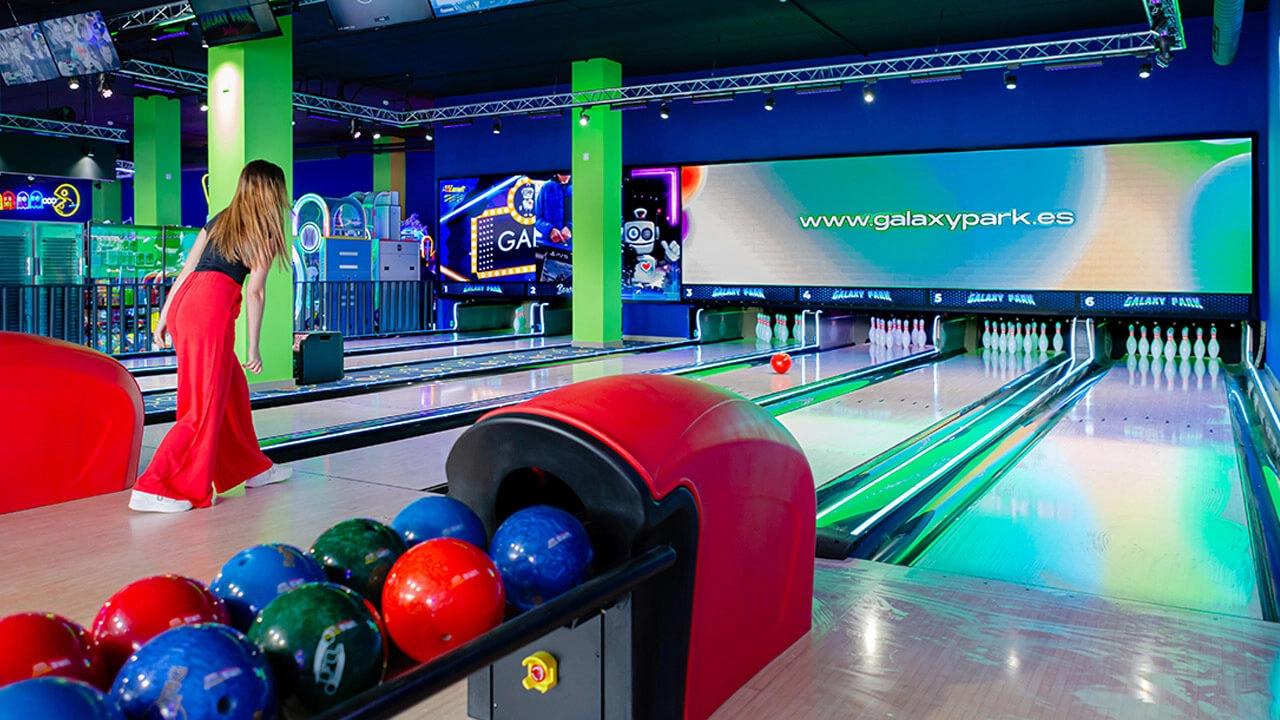
What are the different types of Bowling Alley?
Technology
What is the degree of automation of the equipment? Does it support automatic scoring, automatic ball return and other functions?
Fully automated. Our equipment is equipped with an independent intelligent scoring system, and also has automatic ball return and ball up functions to ensure that the game can proceed smoothly, which greatly improves the user experience and reduces labor costs and maintenance difficulties.
Are your products compliant with European safety standards?
Yes, all of our products meet the required EU safety and regulatory standards.
Is there any charge for remote technical guidance?
Free lifetime remote video diagnostic service to quickly resolve software/settings issues
Installations
Do you provide technical support after the installation?
Absolutely. We offer ongoing technical support, including regular maintenance and emergency repair services.
Service
If there is a problem with the equipment, how long will it take you to respond?
We promise to provide a solution within 12 hours (24 hours for overseas customers), and serious failures will be handled first.
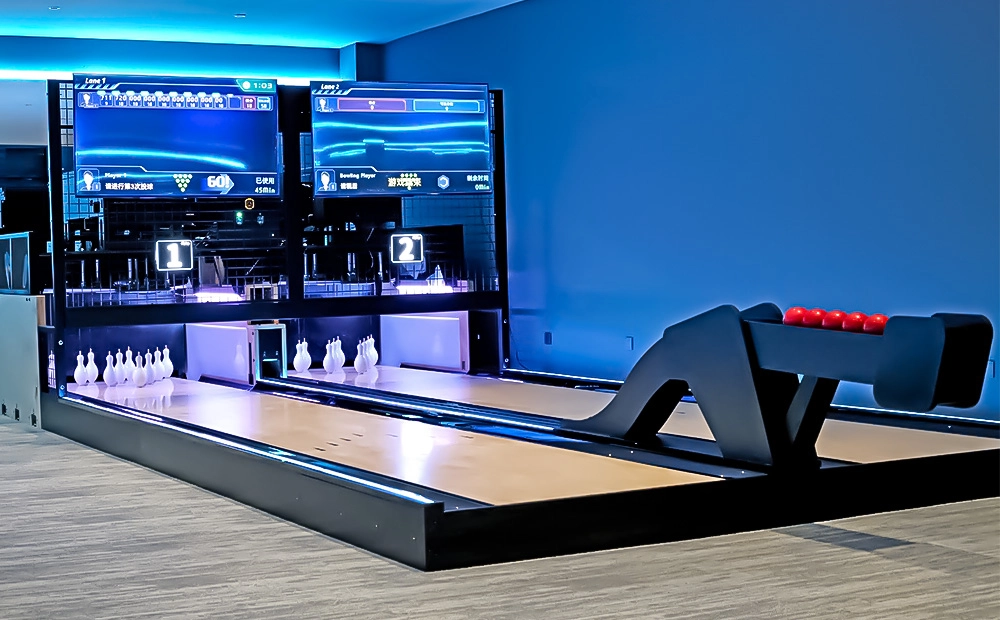
Flying Smart Duckpin Bowling
The innovative design of Flying Smart Duckpin Bowling (FSDB) makes it perfect for places like bars, billiard halls and game centers. It makes people want to come back more often and spend more money. FSDB is fun and competitive, so it will become a new focus for social activities.
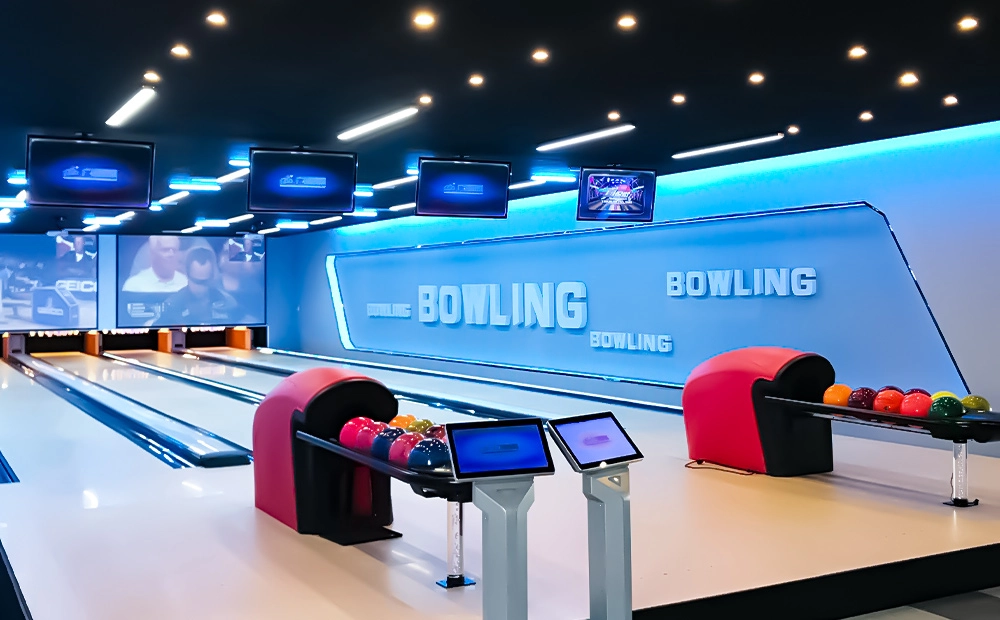
Flying Classic Standard Bowling
Flying Classic Standard Bowling (FCSB) employs the World Standard Competition Scoring System to deliver a more professional bowling experience, enabling bowlers to enjoy a professional-standard match at their convenience.
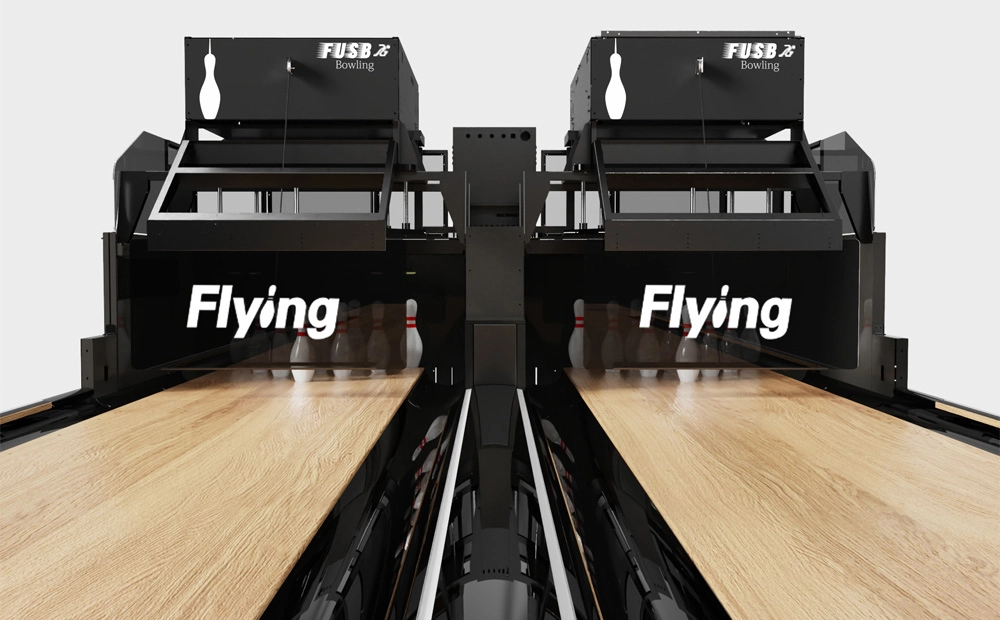
Flying Ultra Standard Bowling
Flying Ultra Standard Bowling (FUSB) Upgraded Version
The string pinsetter uses the latest technology. It offers a more enjoyable bowling experience thanks to its innovative designs and modern technology.

Get in touch
Contact us
If you contact us now for more details, we can provide you with a custom bowling alley service.
Our service team will get back to you within 24 hours, normally!



Facebook
YouTube
Linkedin
Twitter